Demanding Return of a Rental Deposit After the End of a Tenancy in Ireland
When a residential tenancy in Ireland comes to an end, a former tenant who does not receive back the deposit is entitled to press the landlord for repayment and, if necessary, to escalate the matter to the Residential Tenancies Board. This guide explains the practical steps and includes a template demand letter.
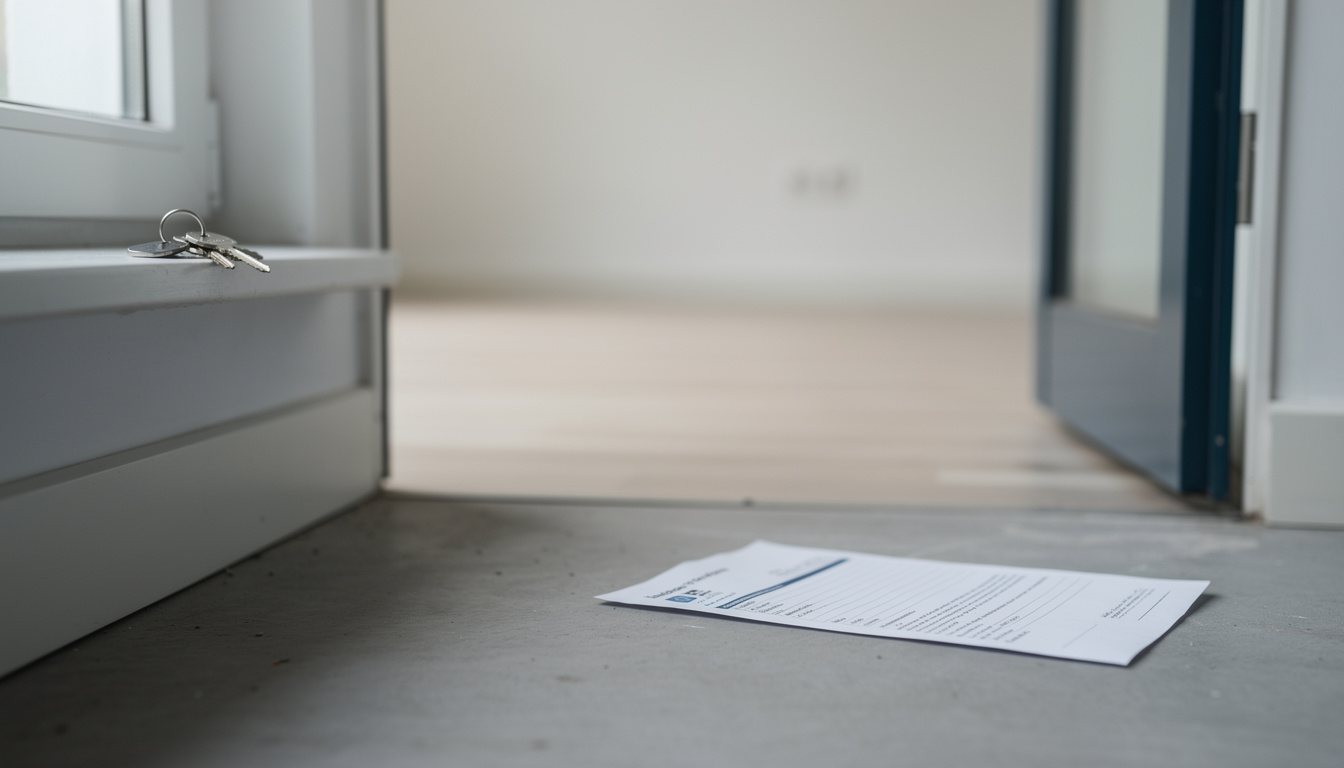
Legal framework for deposits and tenancy obligations
The relationship between landlord and tenant during and after a residential tenancy in Ireland is principally governed by the Residential Tenancies Act 2004, section 12, which sets out the landlord's core obligations, and by Residential Tenancies Act 2004, section 16, which sets out the corresponding obligations of the tenant.
The passages available do not contain a specific statutory section fixing an exact number of days within which a deposit must be refunded, nor do they set out a fixed list of permitted deductions or a statutory interest rate applicable to late refunds. Readers should verify the current position directly in the Residential Tenancies Act 2004 or with the Residential Tenancies Board (RTB), as this area may have been the subject of later amendment not reflected here.
When a deposit dispute may be referred to the RTB
Where a landlord and tenant cannot agree on the return of a deposit, this is treated as a form of dispute concerning the tenancy. Disputes of this kind, including those concerning obligations under Residential Tenancies Act 2004, section 12 and Residential Tenancies Act 2004, section 16, may be referred under Part 6 of the Act to the Board for resolution.
Before referring a matter to the Board, it is standard and sensible practice to first send a clear, written demand to the landlord, setting a reasonable deadline for repayment and specifying the bank account into which the deposit should be refunded.
What a tenant should check before sending a demand
- Confirm the exact amount of the deposit originally paid and retain evidence of payment (bank transfer, receipt, or tenancy agreement).
- Confirm that rent has been paid up to date and that there are no outstanding sums owed to the landlord.
- Take dated photographs of the dwelling at the end of the tenancy to counter any unjustified claim of damage.
- Check any inventory or condition report prepared at the start of the tenancy, if one exists.
- Note the date the tenancy ended and the date the keys were returned, as these are relevant reference points for the demand letter.
Practical next steps if the landlord does not respond
- Send the demand letter by a traceable method (registered post or email with read receipt) and keep a copy.
- Allow the landlord a reasonable period to respond before taking further action.
- If the landlord disputes the amount or refuses to pay, consider referring the dispute under Part 6 of the Residential Tenancies Act 2004, section 12 framework to the Residential Tenancies Board.
- Keep all correspondence, photographs, and payment records, as these will be needed if the matter proceeds to a formal dispute resolution process.
- Where the tenancy was registered with the RTB, quote the Registered Tenancy (RT) Number in all correspondence for ease of reference.
Step-by-Step Guide
- Gather evidence of the deposit paid, the tenancy agreement, and the condition of the dwelling at check-out.
- Send a written demand letter to the landlord requesting the return of the deposit within a stated reasonable deadline.
- If no response is received, send a follow-up letter or seek clarification of any deductions claimed by the landlord.
- If the dispute is not resolved directly, consider referring it under Part 6 of the Residential Tenancies Act 2004 to the Residential Tenancies Board.
- Retain all correspondence and supporting documents throughout the process.
Demand Letter for Return of Rental Deposit
[Tenant's Full Name]
[Tenant's Current Address]
[Tenant's Email Address]
[Tenant's Phone Number]

[Date]

To: [Landlord's Full Name]
[Landlord's Address]

Re: Demand for Return of Rental Deposit – [Address of Rented Dwelling]

Dear [Landlord's Name],

I am writing in relation to the residential tenancy at [full address of dwelling], which commenced on [start date of tenancy] and ended on [end date of tenancy]. The Registered Tenancy (RT) Number, if applicable, is [RT Number].

On [date deposit was paid], I paid a security deposit of €[amount] in respect of this tenancy. I vacated the dwelling and returned the keys on [date keys returned], leaving the property in good order, as evidenced by [photographs / inventory report / other evidence, as applicable].

To date, I have not received a refund of this deposit, nor have I received any explanation or itemised justification for any proposed deduction. Rent was paid in full up to the end of the tenancy and there are no outstanding sums owed by me under the tenancy.

I hereby request that you return the full deposit of €[amount] within [number] days of the date of this letter. Please transfer the sum to the following bank account:

Account holder: [Name]
IBAN: [IBAN]
BIC: [BIC]

If you consider that any deduction from the deposit is justified, I ask that you provide a detailed, itemised explanation, together with supporting evidence (such as invoices or receipts), by the same date.

If I do not receive the deposit or a satisfactory explanation within the period specified above, I intend to refer this matter as a dispute to the Residential Tenancies Board for resolution, without further notice to you.

I trust this will not be necessary and look forward to your prompt response.

Yours sincerely,

[Tenant's Signature]
[Tenant's Full Name]
Sources from the Europaius Corpus
Frequently Asked Questions
Is there a fixed legal deadline for a landlord to return the deposit?
The passages relied upon here do not specify an exact statutory number of days for repayment of a deposit; readers should check the current text of the Residential Tenancies Act 2004 or consult the Residential Tenancies Board for the precise timeframe currently in force.
What can a landlord lawfully deduct from the deposit?
The available material does not set out a specific statutory list of permitted deductions. In practice, deductions are generally limited to matters such as unpaid rent or damage beyond normal wear and tear, but this should be confirmed against the current legislation and RTB guidance.
Is interest payable on a late-returned deposit?
No provision on statutory interest for late return of a deposit appears in the passages relied upon; this point should be verified directly with the Residential Tenancies Board or in the current Residential Tenancies Act 2004.
What happens if the landlord ignores the demand letter?
If the landlord does not respond or refuses to refund the deposit, the tenant may refer the dispute under Part 6 of the Residential Tenancies Act 2004, section 12 framework to the Residential Tenancies Board for resolution.